










KuKirin C1 Max Winter Battery Care: 7 Tips

KuKirin C1 Max Winter Battery Care: 7 Tips
Winter can change the way an electric vehicle performs. Lower temperatures may reduce battery efficiency, shorten the distance you can travel on a single charge and make charging routines more important. If you ride a KuKirin C1 Max, a little extra attention to battery care can help you enjoy more reliable performance throughout the colder months.
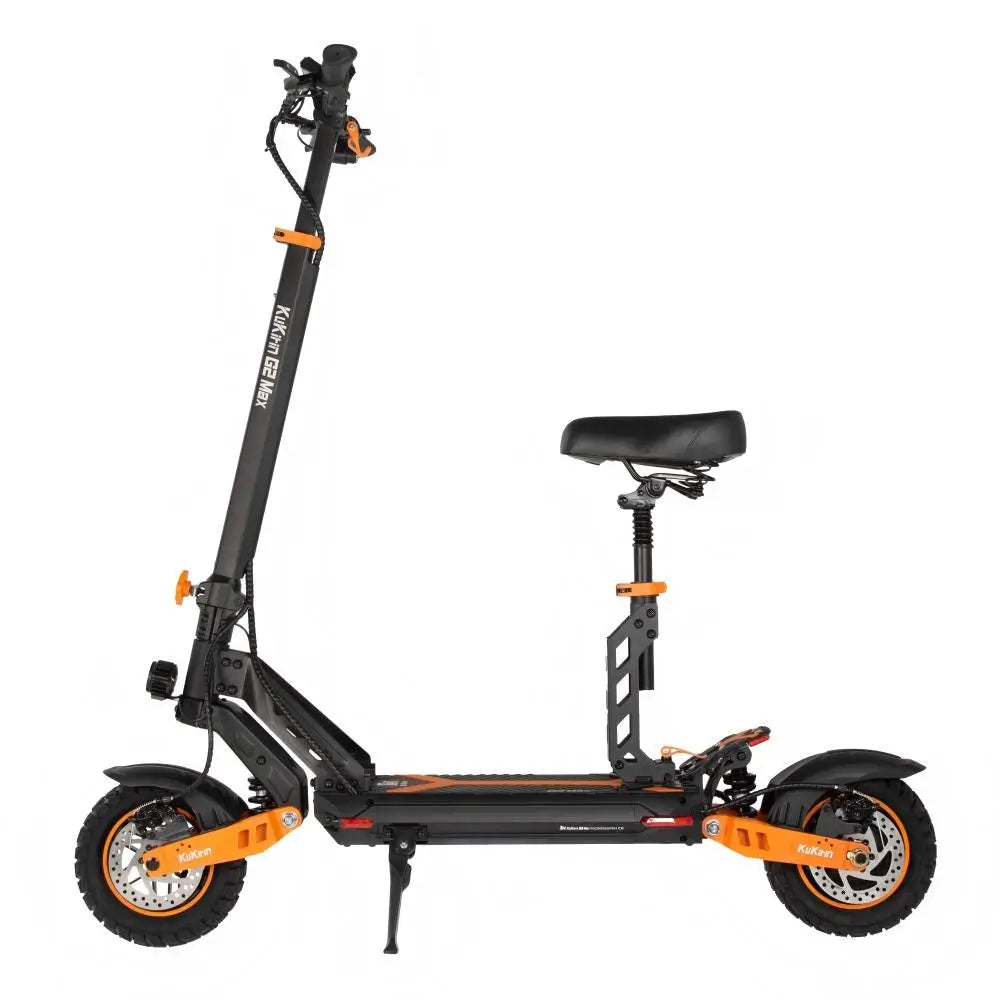
The KuKirin C1 Max winter battery care routine starts with understanding your battery. The C1 Max is equipped with a 48V 20.8Ah lithium-ion battery, providing approximately 998Wh of energy. Its advertised range is up to 87km in ECO mode under specified test conditions. However, actual range can vary with temperature, rider and cargo weight, riding speed, terrain, tyre pressure and riding habits.
Here are seven practical ways to look after your C1 Max battery during winter.
Why Does Cold Weather Affect Your C1 Max Battery?
Lithium-ion batteries are sensitive to temperature. In cold conditions, the chemical reactions inside the battery slow down, which can temporarily reduce available power and usable capacity.
This means you may notice:
-
A shorter riding range than you achieved in warmer weather.
-
A different battery percentage or range estimate during a journey.
-
Slower charging or charging protection being activated, depending on the battery system.
-
Greater energy consumption when riding in cold, windy conditions.
A temporary reduction in winter range does not automatically mean that your battery is damaged. Good charging and storage habits can help reduce unnecessary battery stress.
7 KuKirin C1 Max Winter Battery Care Tips
1. Charge the Battery at a Suitable Temperature
One of the most important winter battery care rules is to avoid charging a very cold lithium-ion battery.
After riding in low temperatures, allow the battery to return naturally to a suitable indoor temperature before connecting the charger. Do not place the battery directly beside a radiator, heater or other strong heat source to warm it up quickly.
For many conventional lithium-ion batteries, charging below freezing is not recommended. A moderate temperature is generally preferable for charging, but the exact permitted range depends on the battery design.
Practical tip: If your C1 Max has been parked outside in freezing weather, move it to a dry, sheltered area and allow it to acclimatise before charging. Always follow the charging temperature limits in the official product manual.
2. Avoid Leaving the Battery Fully Charged for Long Periods
A fully charged battery is useful when you are preparing for a journey. However, keeping a lithium-ion battery at 100% for an extended storage period is not generally ideal for long-term battery health.
If you plan to leave your C1 Max unused for several weeks during winter, avoid storing it completely full or nearly empty. A moderate state of charge is usually more suitable for storage.
As a general lithium-ion storage guideline, approximately 40–60% charge is often recommended. The correct storage level and maintenance schedule should still follow the battery manufacturer's instructions.
Practical tip: If you are not riding for a while, check the battery level periodically rather than leaving it unattended throughout the entire winter.
3. Never Store the Battery Completely Empty
Allowing a lithium-ion battery to remain deeply discharged for a long time can cause problems. Its charge level may continue to decrease naturally during storage, potentially reaching a level that makes normal charging difficult.
Before putting your C1 Max away for an extended winter break:
-
Check the battery level.
-
Avoid storing it when almost empty.
-
Disconnect the charger after charging is complete.
-
Check the battery periodically during storage.
-
Recharge it according to the manufacturer's storage guidance.
A simple reminder on your calendar can help you avoid forgetting about the battery until spring.
4. Plan the Charging Time Instead of Charging in a Hurry
The C1 Max battery has a capacity of 48V 20.8Ah, so charging requires sensible planning, especially when temperatures are low.
If your C1 Max charger or product manual specifies a charging time of approximately 11 hours, plan your charging schedule around that guidance. The actual time may vary depending on the remaining battery level, charger output and battery temperature.
For safer and more convenient charging:
-
Charge in a dry, well-ventilated location.
-
Use the original compatible charger.
-
Allow the battery to reach a suitable temperature before charging.
-
Avoid repeatedly interrupting the charging process without a reason.
-
Disconnect the charger when charging is complete, following the manual.
Do not leave the battery charging for additional hours simply because the weather is cold. A longer charging period is not automatically better for battery health.
5. Keep the Battery Dry and Protected
Winter often brings rain, snow, damp air and condensation. Moisture around charging connectors or electrical components can create avoidable risks.
The C1 Max has an IP54 protection rating, but this should not be interpreted as permission to immerse the vehicle or charge it in wet conditions.
Make battery protection part of your winter routine:
-
Park in a dry, sheltered place whenever possible.
-
Keep the charging port clean and dry.
-
Check connectors for visible moisture before charging.
-
Do not connect the charger if the charging area is wet.
-
Wipe away surface moisture with a clean, dry cloth.
If you notice water ingress, corrosion or damage around the charging port, stop charging and contact the support team for advice.
6. Understand the Role of the BMS Protection System
A Battery Management System (BMS), when fitted, helps monitor and manage battery operation. Depending on its design, it may provide protection against conditions such as overcharging, over-discharging, excessive current or abnormal temperatures.
However, BMS protection should never replace careful daily use.
Do not assume that the battery can safely be charged at any temperature simply because it has electronic protection. Avoid using an incompatible charger, opening the battery pack or attempting to bypass any protection function.
If charging does not start, the battery indicator behaves unusually or the battery becomes abnormally hot, stop and consult the product manual or KuKirin after-sales support.
7. Check the Battery Before and After Winter Rides
Cold-weather battery care is not only about charging. A quick inspection before and after riding can help you identify potential problems early.
Before a journey, check:
-
The battery level is sufficient for your planned route.
-
The charging port and visible connectors are dry.
-
There is no visible damage, swelling or unusual smell.
-
The battery is securely fitted.
-
The tyres are properly inflated according to the recommended pressure.
After riding, wipe away moisture and road dirt. If the scooter has been exposed to very cold conditions, let it return naturally to a suitable temperature before charging.
If you notice smoke, swelling, leakage, an unusual smell or excessive heat, stop using and charging the battery. Keep away from the vehicle and contact qualified support.
Winter Battery Care Checklist
Use this quick checklist to build a simple routine for your KuKirin C1 Max.
| When | What to do |
|---|---|
| Before charging | Let a cold battery warm naturally; check that the charging port is dry |
| During charging | Use the original compatible charger in a dry, ventilated area |
| After charging | Disconnect the charger according to the manual |
| Before storage | Avoid leaving the battery fully charged or nearly empty |
| During storage | Check the battery level periodically |
| Before riding | Check battery level, connectors and tyre pressure |
| After riding | Remove surface moisture and inspect for unusual signs |
How to Get the Best from Your C1 Max Battery in Winter
The C1 Max combines a 48V 20.8Ah battery with practical everyday features, including a front basket and rear cargo-box configuration. It is designed for commuting, errands and other urban journeys.
In winter, a little route planning can make everyday use easier. Consider choosing a shorter route when temperatures are particularly low, leaving enough battery reserve for unexpected detours and avoiding unnecessary high-speed acceleration.
Remember that the advertised range of up to 87km is based on specified test conditions. Real-world winter range may be lower, so plan your journeys around the conditions you actually experience rather than relying only on the maximum advertised figure.
A well-maintained battery is not just about getting more kilometres. It is about making every journey more predictable and convenient.
Frequently Asked Questions
1. Does cold weather reduce the KuKirin C1 Max battery range?
Yes. Low temperatures can temporarily reduce the performance and usable capacity of lithium-ion batteries. Actual range also depends on rider and cargo weight, speed, terrain, tyre pressure and riding habits.
2. Can I charge my KuKirin C1 Max battery immediately after riding in freezing weather?
It is better to let the battery return naturally to a suitable charging temperature first. Do not charge a very cold battery or use direct heat to warm it. Follow the charging temperature limits in the official manual.
3. What battery level is best for storing the C1 Max during winter?
For general lithium-ion battery storage, a moderate charge level of around 40–60% is commonly recommended. However, always follow the specific storage instructions supplied for your battery.
4. How long does the KuKirin C1 Max take to charge?
Use the charging time stated in the official C1 Max manual or charger specifications. If your version specifies approximately 11 hours, plan around that figure. Actual charging time can vary with the remaining battery level, charger output and temperature.
5. Does the BMS make winter battery care unnecessary?
No. A BMS may provide important electronic protection, depending on its design, but it does not eliminate the need for correct charging, suitable storage and regular inspection. Never rely on electronic protection as a substitute for following the manufacturer's instructions.
Keep Your KuKirin C1 Max Ready for Every Season
Winter does not have to mean putting your C1 Max away. By charging at a suitable temperature, keeping the battery dry, avoiding extreme charge levels during storage and checking it regularly, you can help maintain a more dependable riding experience.
Looking for a practical electric moped for everyday urban mobility? Explore the KuKirin C1 Max, featuring a 48V 20.8Ah battery, up to 87km of advertised ECO-mode range and flexible front and rear storage.
Visit KuKirin Official to discover more and find the right vehicle for your daily journeys.
Battery-care guidance in this article is general lithium-ion advice. Always prioritise the official KuKirin C1 Max user manual and the specifications supplied with your charger. Do not open or modify the battery pack.