











Max Load Test: How Much Can a KuKirin Really Carry?

Every KuKirin scooter has a maximum load rating. Most models say 120 kg. The G4 Max says 150 kg. The S1 Max says 100 kg.
But what does that number actually mean? Can you safely exceed it? What happens if you do?
This guide explores the real-world limits of KuKirin scooters — what the numbers mean, how weight affects performance, and what happens when you push the limit.
Max Load by Model
| Model | Max Load | Category | Notes |
|---|---|---|---|
| G4 Max | 150 kg | Highest in lineup | Dual motor, reinforced frame |
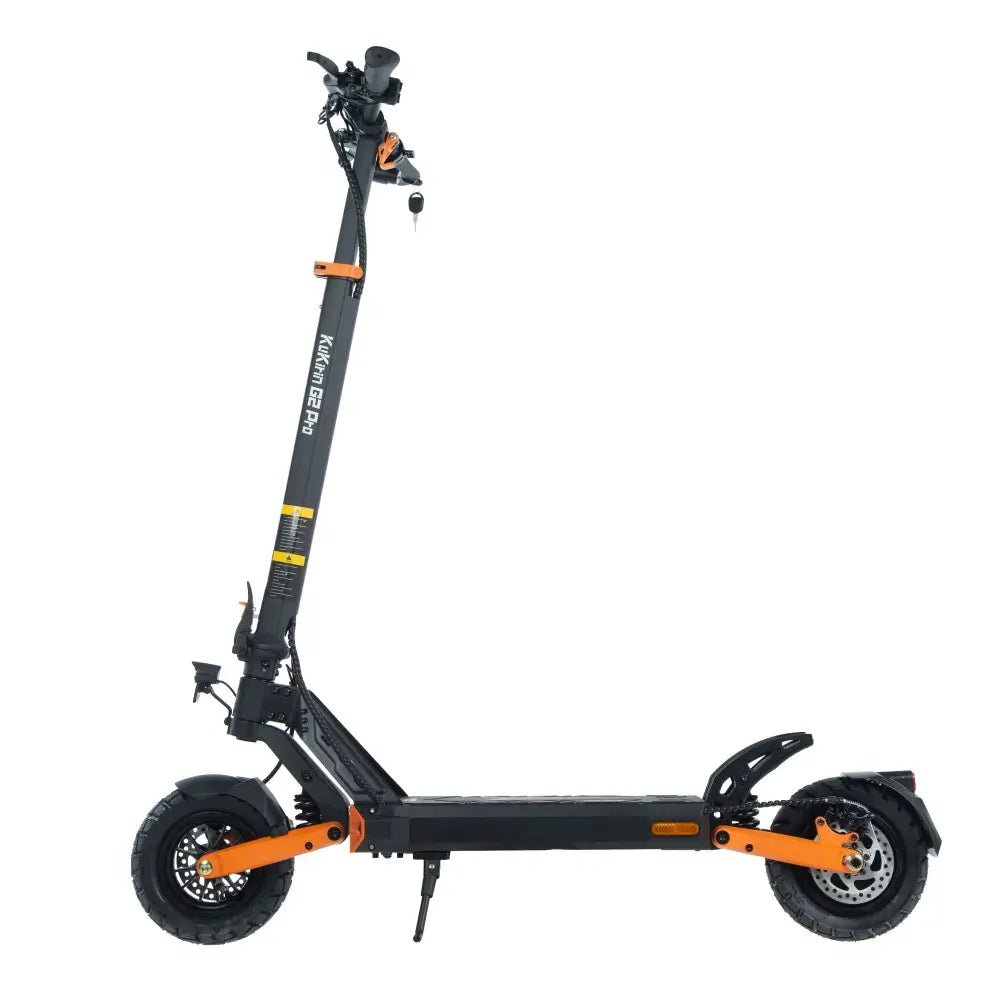
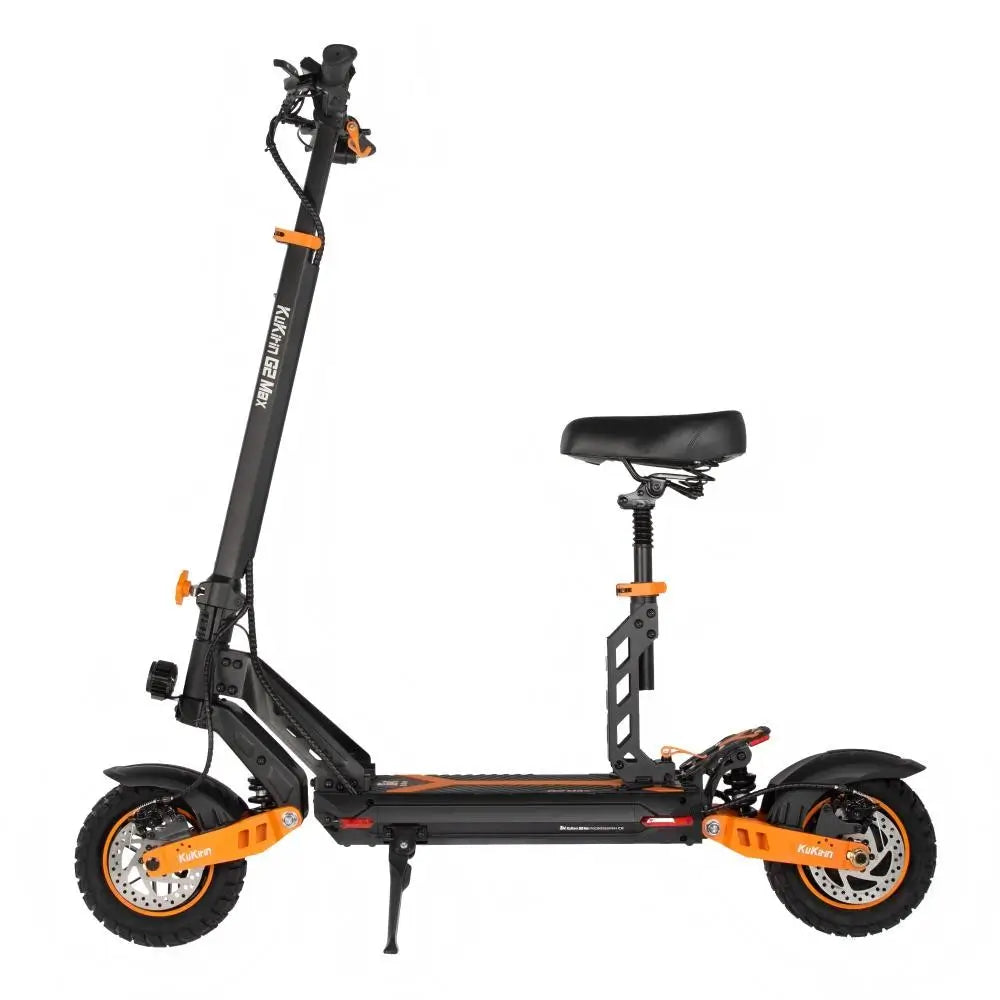
| G2 / G2 Pro / G2 Max | 120 kg | Standard | Most commuter models |
| G2 Master | 120 kg | Standard | Dual drive |
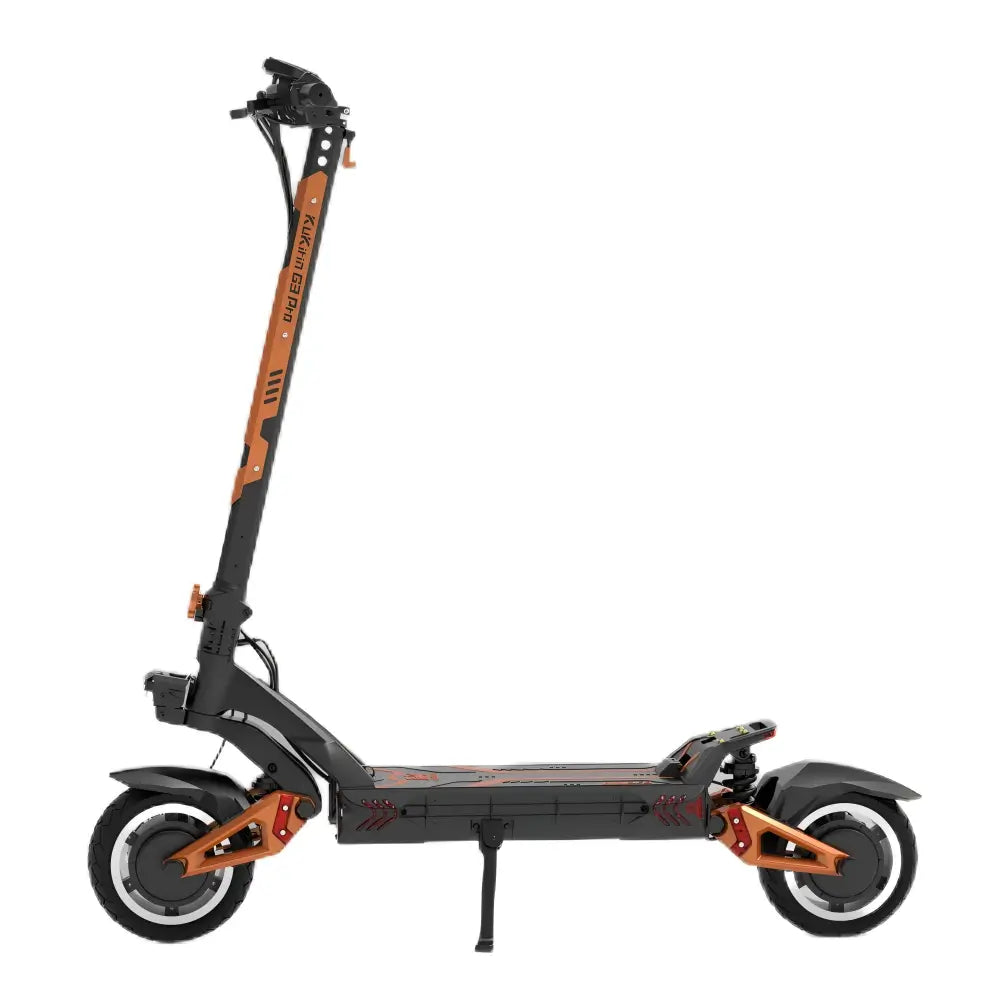
| G3 Pro | 120 kg | Standard | Flagship dual drive |
| G4 | 120 kg | Standard | High-speed single motor |
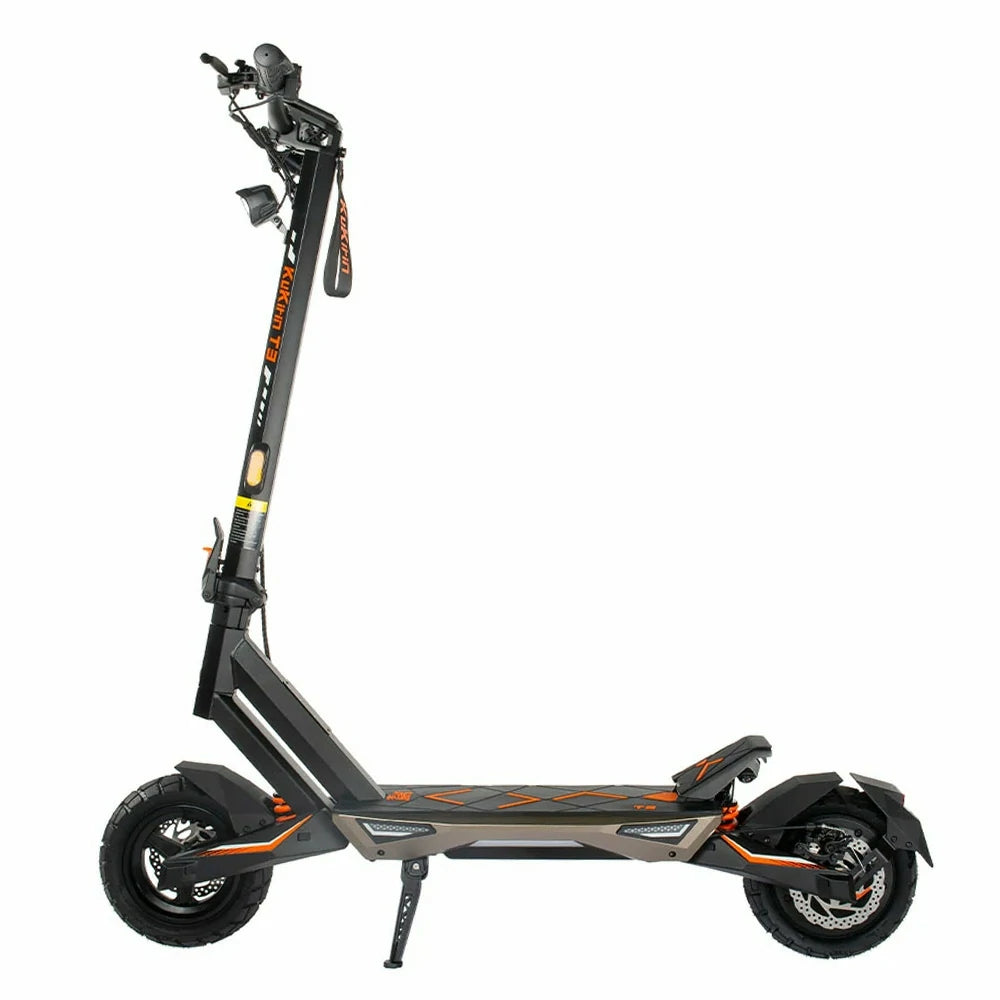
| T3 | 120 kg | Standard | Off-road ready |
| A1 | 120 kg | Standard | Steel frame |
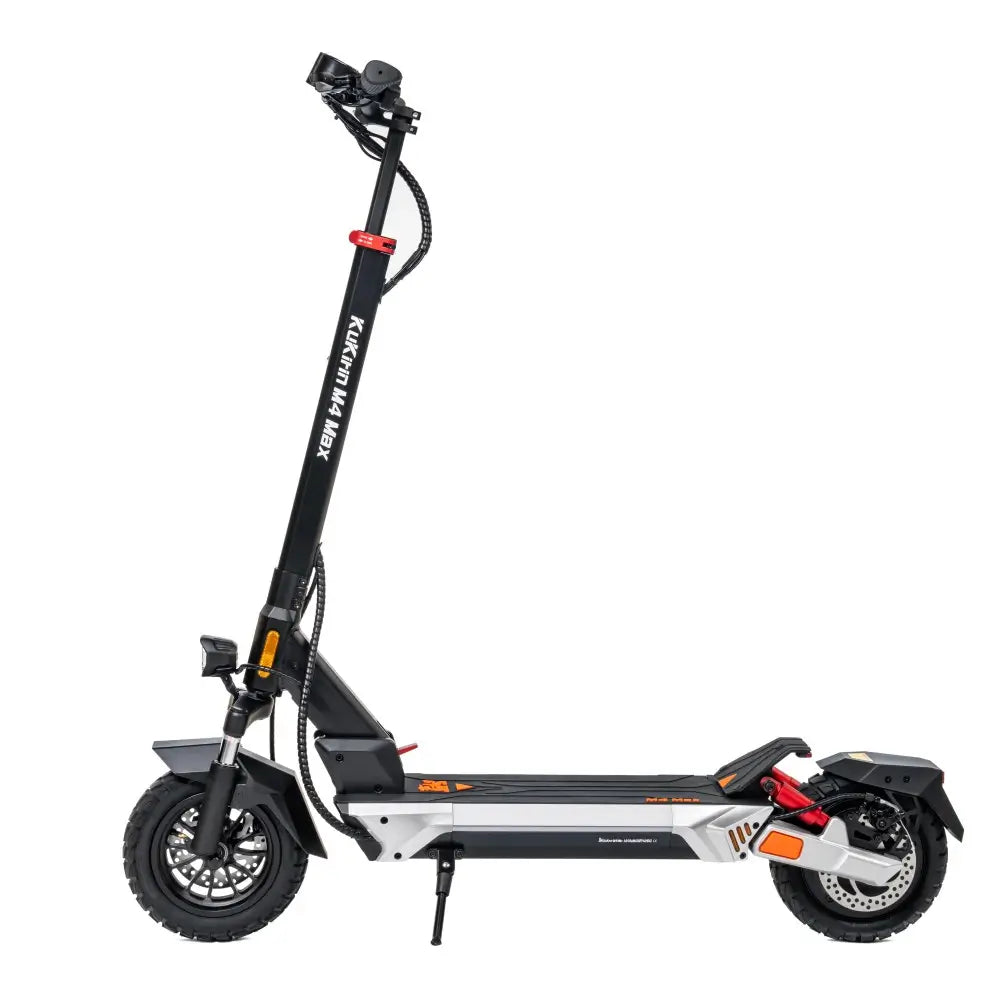
| M4 Max | 120 kg | Standard | Long range |
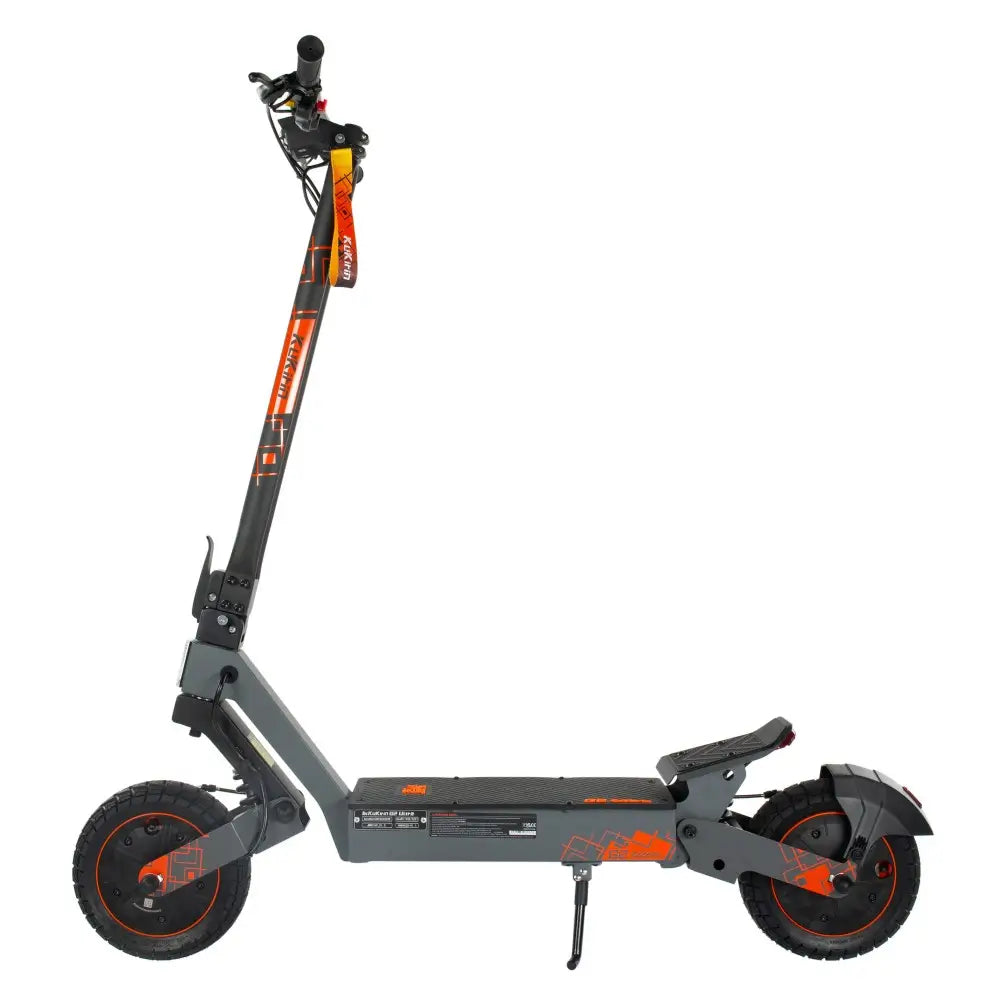
| G2 Ultra | 120 kg | Standard | Dual motor |
| X1 | 120 kg | Off-road | Electric dirt bike |
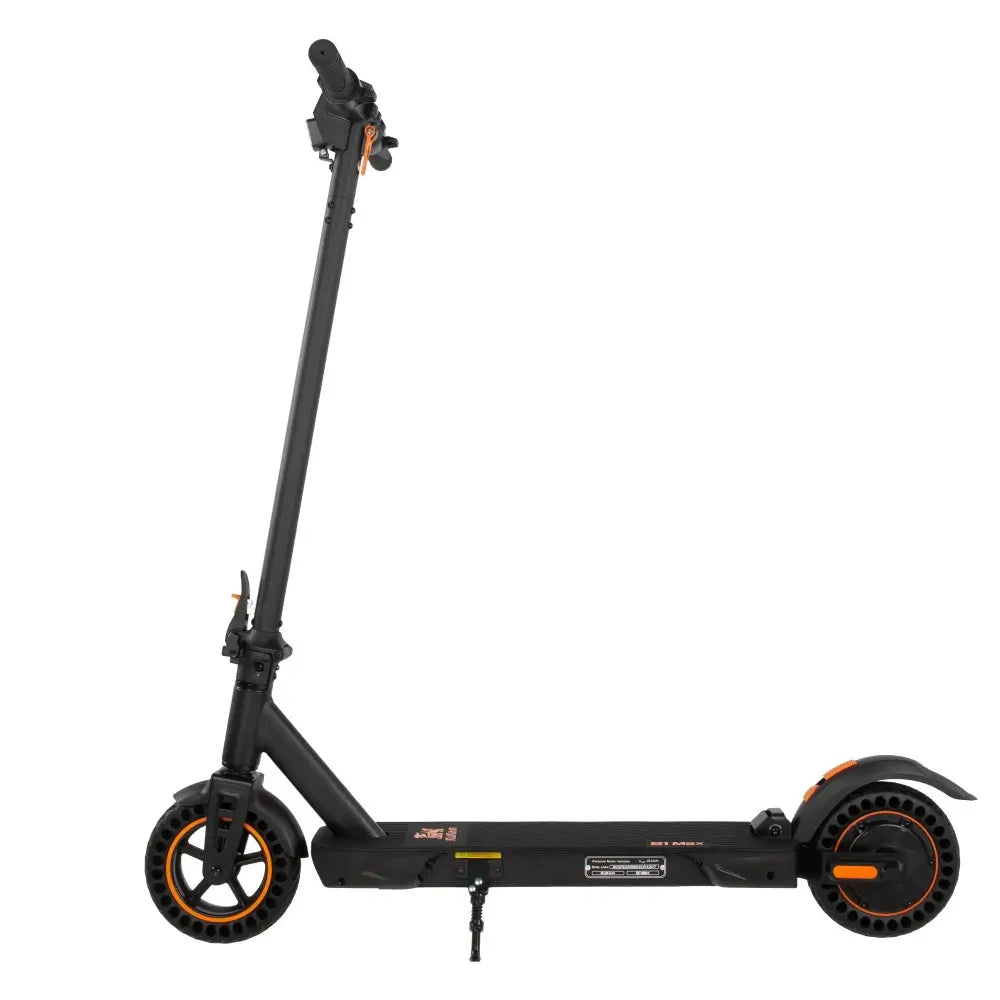
| S1 Max | 100 kg | Lowest in lineup | Lightweight design |
What Happens When You Overload?
Exceeding the max load is not just about the motor struggling. It affects every component of the scooter.
| Component | Effect of Overloading |
|---|---|
| Frame | Excessive stress, potential cracking at welds |
| Folding mechanism | Loosens over time, becomes unstable |
| Brakes | Longer stopping distance, increased wear |
| Motor | Overheats, reduced efficiency, potential failure |
| Battery | Faster drain, reduced range, shorter lifespan |
| Tires | Increased wear, higher puncture risk |
| Suspension | Bottoming out, reduced comfort and control |
The reality: Occasional overloading won't destroy your scooter immediately. But repeated overloading accelerates wear on every component.
Weight vs. Range: The Numbers
Weight directly affects range. The heavier the load, the more energy required to move it.
| Added Weight | Range Effect | Real-World Example |
|---|---|---|
| +10 kg | 3-5% range loss | G2 Pro: 58 km → 55-56 km |
| +20 kg | 6-10% range loss | G2 Pro: 58 km → 52-54 km |
| +30 kg | 10-15% range loss | G2 Pro: 58 km → 49-52 km |
| +50 kg | 15-25% range loss | G2 Pro: 58 km → 43-49 km |
Real Rider Data
| Rider Weight | Model | Reported Range |
|---|---|---|
| 85 kg | G2 | 35-38 km (official 55 km) |
| 107 kg | G2 Master | "Not quite 60 km" (official 70 km) |
| 80 kg | G2 Pro | ~20 km at speed level 3 (official 50-55 km) |
The pattern: Heavier riders consistently achieve less range than official figures. This is not a defect — it is physics.
Frame Material and Load Capacity
| Frame Material | Models | Rigidity | Load Suitability |
|---|---|---|---|
| Aluminum alloy | G2 Master, G3 Pro, G2 Max | Highest | Best for heavy loads |
| Steel + Aluminum hybrid | G2, G4 | Moderate | Good for standard loads |
| Steel | A1, S1 Max | Good | Standard loads, heavy feel |
| Aluminum + carbon steel | M4 Max | High | Good for standard loads |
The takeaway: Aluminum frames offer the best rigidity-to-weight ratio, making them more suitable for heavier riders and loads.
Weight Distribution: Where You Put the Load Matters
| Location | Effect on Handling |
|---|---|
| Backpack (on rider) | Best — weight moves with you |
| Frame-mounted bag | Good — weight stays low and centred |
| Handlebar bag | Poor — affects steering and stability |
| Rear rack (if equipped) | Moderate — can affect balance |
The Golden Rule
Never hang heavy items from the handlebars. It makes steering unstable and increases the risk of losing control.
What to do instead:
-
Use a backpack for personal items
-
Use a frame-mounted bag for tools and accessories
-
Keep heavy items as low and centred as possible
Climbing Ability vs. Load
Weight does not just affect range — it affects climbing ability.
| Load | Climbing Performance |
|---|---|
| 65 kg (test weight) | Full climbing ability (20-28° depending on model) |
| 85 kg | Slight reduction |
| 100 kg | Noticeable reduction |
| 120 kg (max) | Significant reduction, especially on steep hills |
The reality: A G2 Master rated for 28° climbing ability may struggle on the same hill with a 120 kg rider. The motor has limits.
When to Consider a Higher-Capacity Model
| Situation | Recommendation |
|---|---|
| Rider weight 100-120 kg | Standard 120 kg models are fine |
| Rider weight + cargo > 120 kg | Consider G4 Max (150 kg) |
| Heavy rider + hills | Dual motor models (G2 Master, G3 Pro) |
| Heavy rider + long range | G2 Max or G3 Pro |
| Light rider (< 70 kg) | Any model works |
Frequently Asked Questions (FAQ)
Q1: Can I exceed the max load occasionally?
Occasional overloading is unlikely to cause immediate failure, but repeated overloading accelerates wear on the frame, folding mechanism, and motor.
Q2: What is the highest-capacity KuKirin model?
The G4 Max has a maximum load of 150 kg — the highest in the lineup.
Q3: Why is the S1 Max limited to 100 kg?
The S1 Max is the lightest model (16 kg) with a 350W motor. Its lightweight design prioritises portability over load capacity.
Q4: How much does weight affect range?
Every 10 kg of additional weight reduces range by approximately 3-5%. A 30 kg heavier rider will see 10-15% less range.
Q5: Can I carry a passenger on a KuKirin scooter?
No — KuKirin manuals explicitly state the scooter is for one rider only. Carrying a passenger exceeds the design limits and voids safety.
Q6: Does a heavier rider need a dual-motor scooter?
Not necessarily, but dual motors (G2 Master, G3 Pro) offer better climbing and acceleration for heavier riders.
Q7: What happens if I overload the folding mechanism?
Overloading can cause the folding mechanism to loosen over time, leading to instability and potential failure. Check the latch regularly.
Conclusion: Know Your Limits
| Priority | Action |
|---|---|
| Check your weight + cargo | Stay under 120 kg (or 100 kg for S1 Max) |
| Distribute weight evenly | Backpack or frame bag, never handlebars |
| Expect range loss | 3-5% per 10 kg above test weight |
| Consider dual motor | For heavy riders or hilly terrain |
| Maintain your scooter | Check folding mechanism and brakes regularly |
The golden rule: The max load rating is not a suggestion — it is a design limit. Stay within it, and your KuKirin will deliver reliable performance for years.