


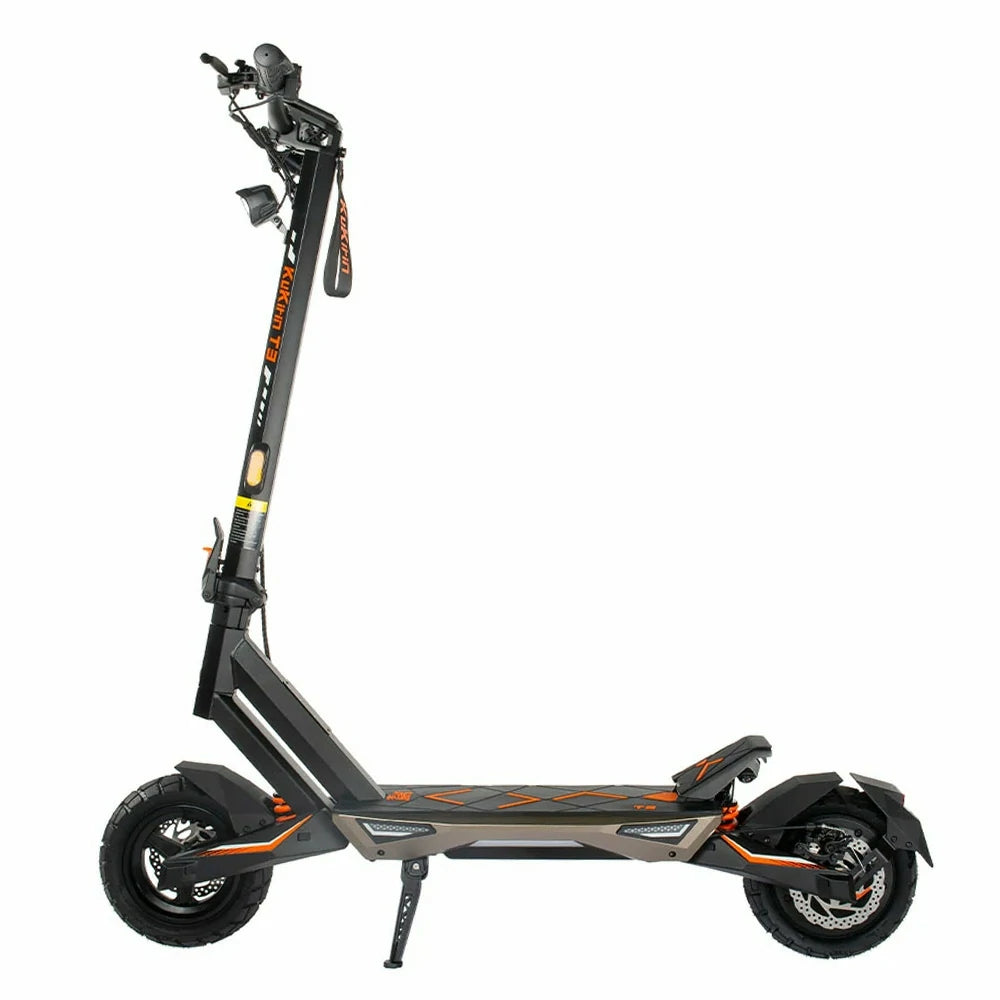
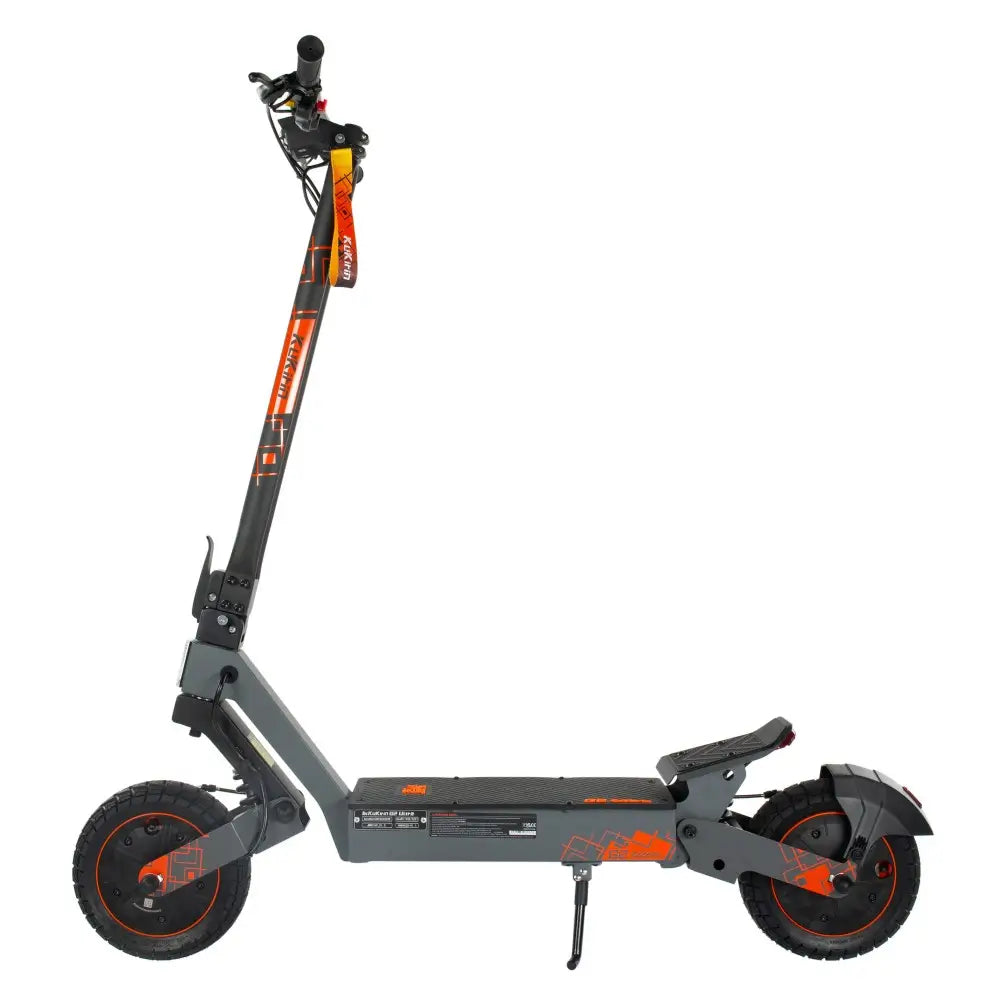
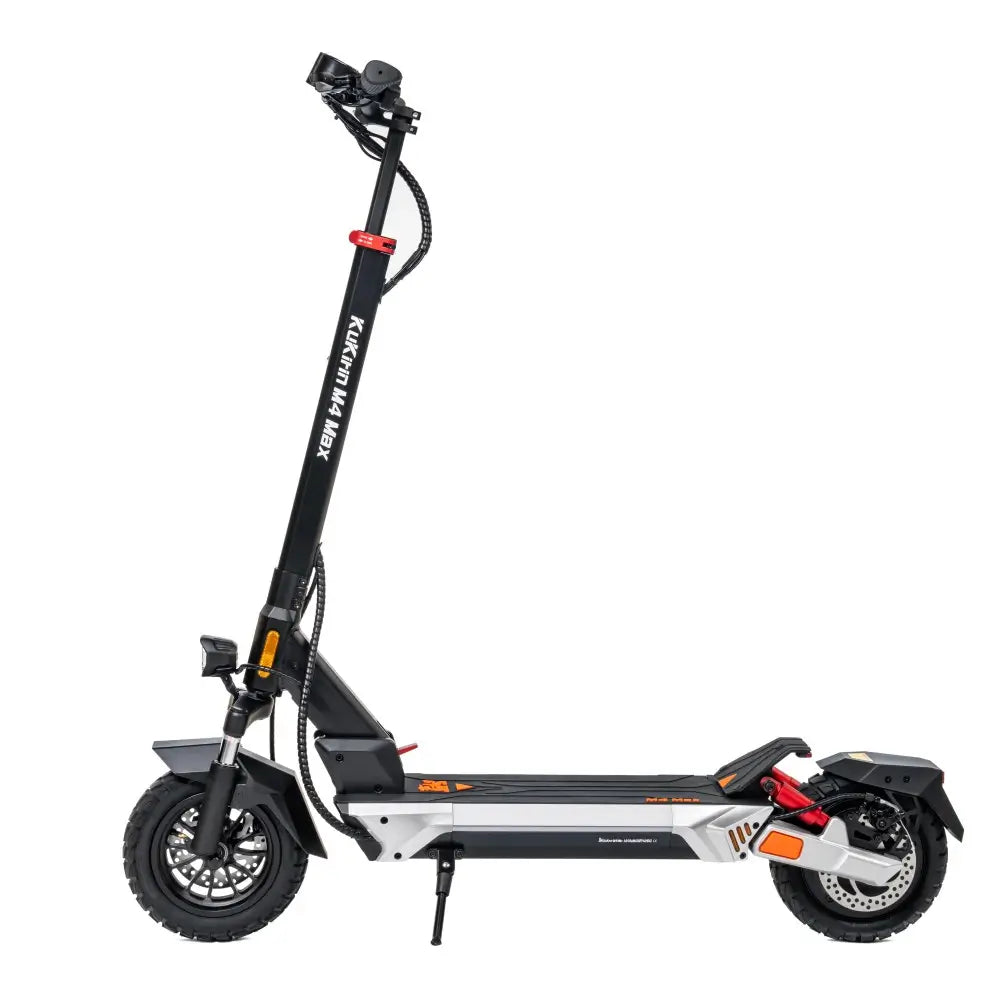


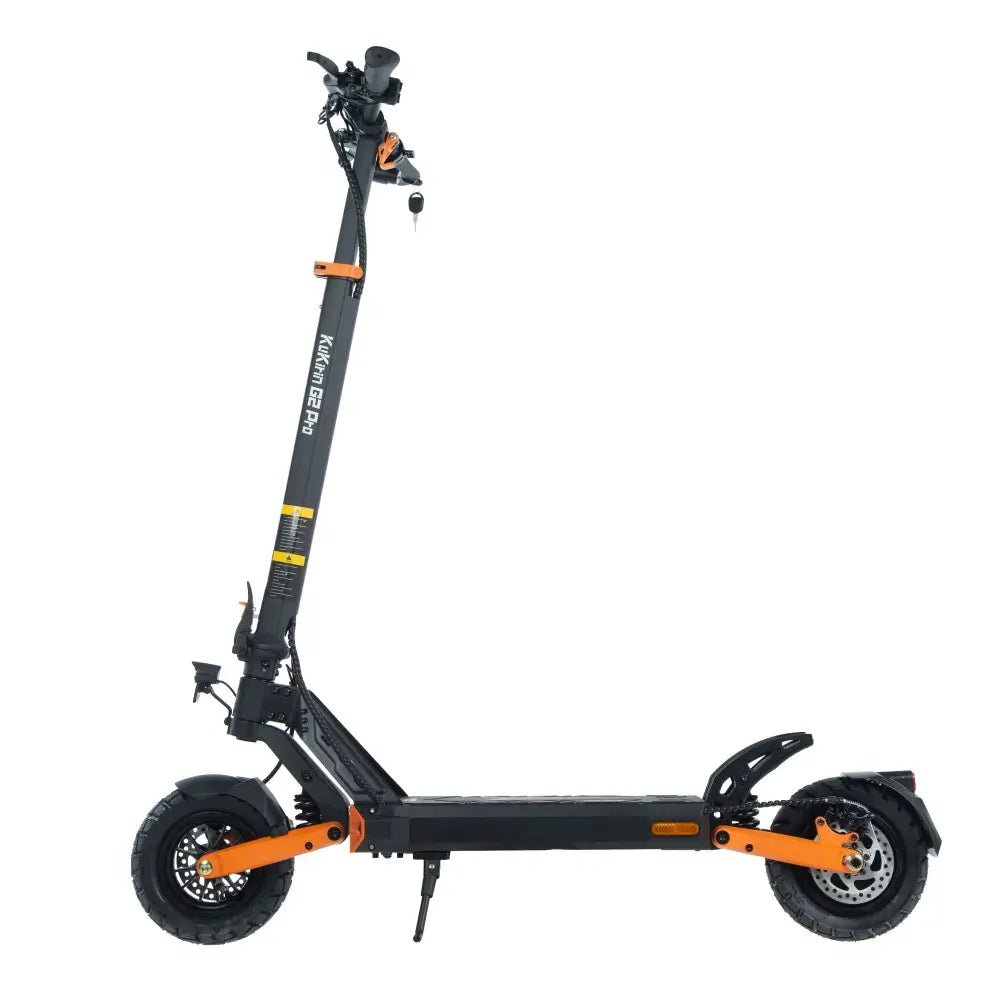








Post-Rain Undercarriage Care: The Hidden Damage Mud Does to Your KuKirin

After a rainy ride, most KuKirin owners do the same thing: wipe down the deck, dry the handlebars, maybe clean the display. The scooter looks fine. It goes back in the garage.
What they never see is what's happening underneath.
The undercarriage—the underside of the deck, the battery compartment base, the motor cable exits, and the brake calipers—collects a fine layer of muddy water that never fully dries. Over weeks and months, that residue becomes the single most destructive force acting on your scooter. Screws seize. Wiring insulation cracks. Brake calipers stick.
This guide covers where mud accumulates, what it destroys, how to clean it properly, and the one mistake that turns a routine cleaning into a warranty-voiding disaster.

Why the Undercarriage Is the Most Vulnerable Part of Your KuKirin
Water splashes upward. That's the fundamental problem. When you ride through a puddle or wet road, the tires throw a continuous spray of muddy water directly at the underside of your scooter.
Everything above the deck gets airflow and sunlight. Everything below stays wet.
The undercarriage also concentrates the components most vulnerable to moisture:
-
Exposed screw threads — every fastener under the deck
-
Cable entry points — where motor and brake lines enter the frame
-
Brake caliper pistons — precision components with tight tolerances
-
Battery compartment seals — the last line of defense against water ingress
-
Folding mechanism pivots — grease-dependent joints
A single rainy ride isn't catastrophic. But the mud that remains after the water evaporates holds moisture against metal surfaces for days. That's what causes damage.
Where Mud Actually Accumulates on a KuKirin
Not all undercarriage areas collect mud equally. These five zones are the worst offenders:
1. Under the Deck (Directly Above the Tires)
The rear tire sprays mud directly onto the underside of the deck and the battery compartment base. This area has the highest concentration of fasteners and often the least drainage.
2. Battery Compartment Bottom Edge
The battery box sits low in the frame. Its bottom edge and the seam where it meets the deck collect muddy water that seeps into the gap. If the seal is compromised, moisture reaches the cells.
3. Motor Cable Exit Point
The motor cable enters the frame through a grommet or sealed opening. Mud packs around this exit point, holding moisture against the cable insulation and the seal itself.
4. Brake Caliper and Rotor Area
Brake calipers have pistons that must move freely. Mud packed around the caliper body prevents proper piston retraction, causing brake drag and uneven wear.
5. Folding Mechanism Pivot Points
The hinge and locking mechanism at the base of the stem collects grit that works its way into the pivot. This accelerates wear and can cause the fold to become loose or stiff.

What Mud Corrosion Actually Does Over Time
The damage isn't immediate. It's cumulative. Here's the progression:
Weeks 1-4: Surface discoloration
Screw heads develop a dull, rust-colored film. Bare metal surfaces lose their shine. No functional impact yet.
Months 1-3: Fastener seizure
Rust penetrates screw threads. Bolts that should turn freely become stiff. Attempting removal risks stripping the head.
Months 3-6: Wiring degradation
Moisture held against cable insulation causes the outer jacket to harden and crack. Exposed conductors corrode. Electrical faults become possible.
Months 6-12: Brake caliper sticking
Mud and rust prevent caliper pistons from retracting fully. Brake pads drag against the rotor even when you're not braking. This causes heat buildup, reduced range, and uneven pad wear.
Beyond 12 months: Structural concerns
Frame fasteners that can't be removed limit serviceability. Seized pivot points affect folding. In severe cases, corrosion compromises the structural integrity of the deck-to-frame connection.
For riders in coastal areas or regions that use road salt in winter, this timeline compresses dramatically. Salt accelerates corrosion by an order of magnitude.
The Correct Undercarriage Cleaning Process
Follow these steps in order. Skipping steps or changing the sequence risks damage.
Step 1: Power Down and Disconnect
Turn off your KuKirin. If your model has a removable battery, take it out. This eliminates any electrical risk during cleaning and prevents water from reaching live components.
Step 2: Wipe With a Damp Cloth First
Before any brushing, wipe the undercarriage with a cloth dampened with plain water. This removes loose mud and grit. Rubbing gritty surfaces with a brush before wiping scratches paint and pushes grit into seals.
Step 3: Soft Brush for Crevices
Use a soft-bristled brush—an old toothbrush works well—to work mud out of:
-
Screw heads and threads
-
Cable entry grommets
-
Brake caliper gaps
-
Folding mechanism joints
Brush gently. The goal is dislodging mud, not scrubbing aggressively.
Step 4: Dry Thoroughly Before Anything Else
This is the step everyone skips. Water trapped in crevices causes the exact damage you're trying to prevent.
Use a dry cloth to absorb remaining moisture. Then let the scooter sit in a ventilated area for at least 2-3 hours before reassembling or lubricating. Compressed air (low pressure, at a distance) can help displace water from tight gaps.
Step 5: Lubricate After Drying
Only apply lubricant to a completely dry surface. Lubricating over moisture traps water underneath.
Apply:
-
Light machine oil on screw threads
-
Silicone grease on folding mechanism pivots
-
Brake-specific lubricant on caliper pivot points (never on the rotor or pads)

What You Must Never Do
❌ Never Use a Pressure Washer
This is the single most damaging thing you can do to an electric scooter. High-pressure water forces past seals, grommets, and bearing shields. Water enters the motor, the battery compartment, and the controller housing. Damage is often immediate and always expensive.
KuKirin scooters carry IP54 ratings—protected against splashing, not against directed high-pressure jets.
❌ Never Use a Garden Hose at Full Flow
Even without a pressure washer, a direct hose stream at full flow can push water past seals. If you must rinse, use a gentle trickle and keep the nozzle well away from bearings, motor exits, and the battery compartment.
❌ Never Scrub Wet Mud Into Seals
Brushing wet mud against a seal forces grit into the sealing surface. Always wipe first, then brush gently.
❌ Never Lubricate Before Drying
Oil and grease trap moisture. Applying lubricant to a wet surface creates a corrosion pocket instead of preventing one.
❌ Never Ignore Repeated Exposure
One rainy ride is manageable. A daily rainy commute without cleaning is not. If you ride in wet conditions regularly, undercarriage cleaning becomes a weekly task, not a seasonal one.
Undercarriage Height by Model: Which KuKirin Needs the Most Attention
Ground clearance directly affects how much mud reaches the undercarriage. Higher clearance means less splash contact.
| Model | Chassis Height | Mud Exposure Risk |
|---|---|---|
| KuKirin G4 Max | 210mm | Low — highest clearance in lineup |
| KuKirin G4 Ultra | 160mm | Moderate |
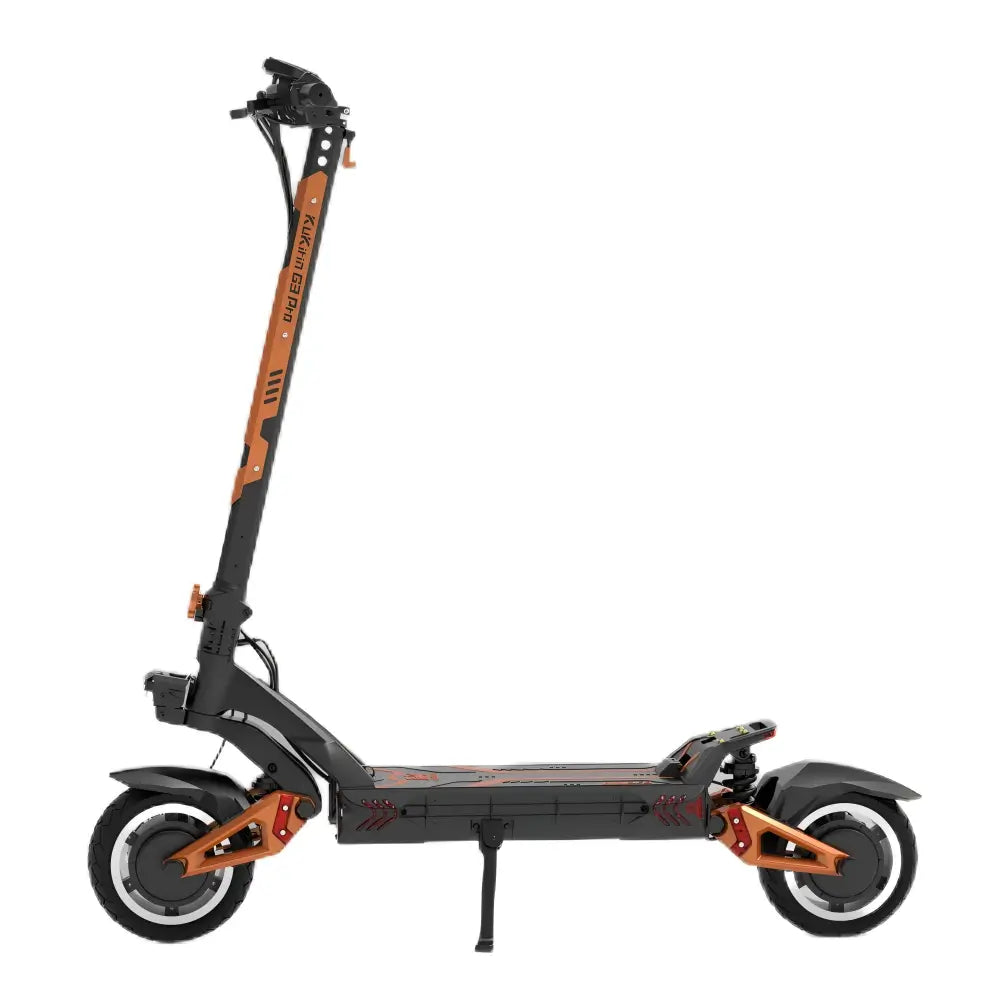
| KuKirin G3 Pro | 180mm | Moderate |
| KuKirin G2 Master | 162mm | Moderate |
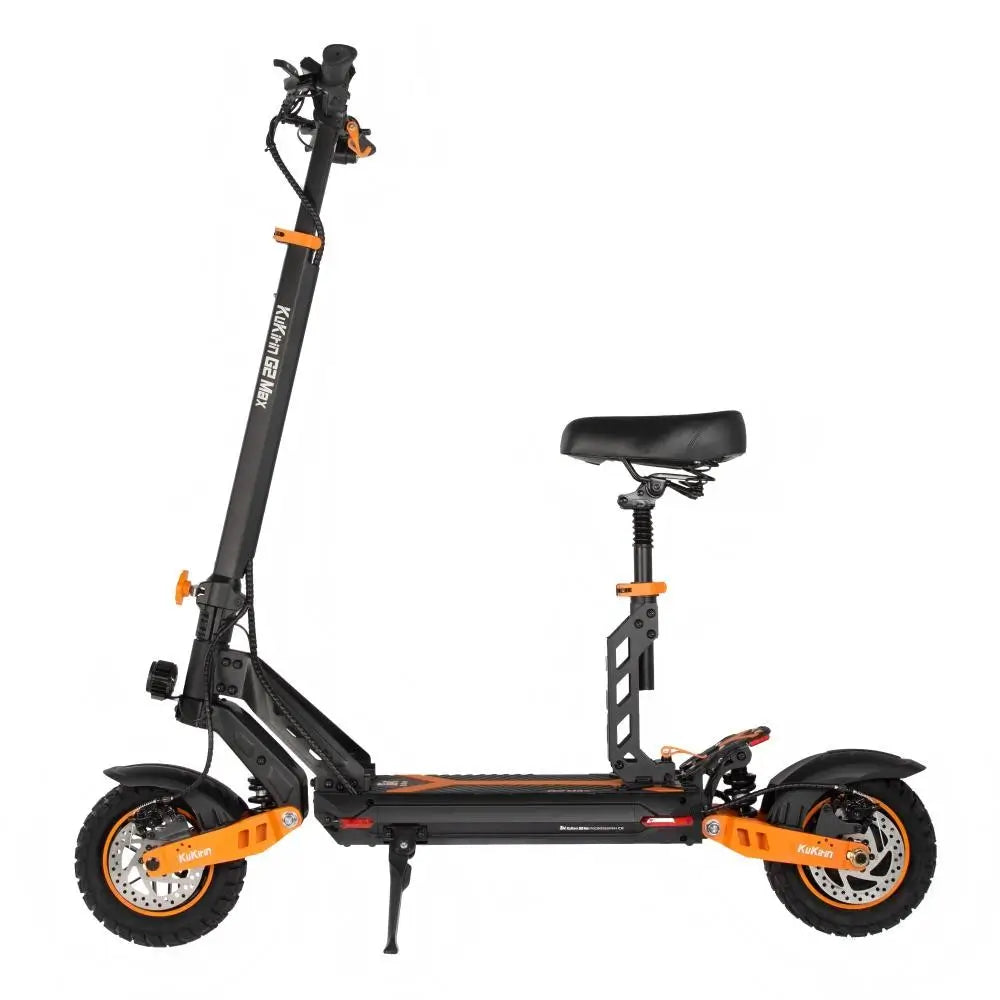
| KuKirin G2 Max | 162mm | Moderate |
| KuKirin G2 Pro | 140mm | Higher |
| KuKirin M4 Max | 135mm | Higher |
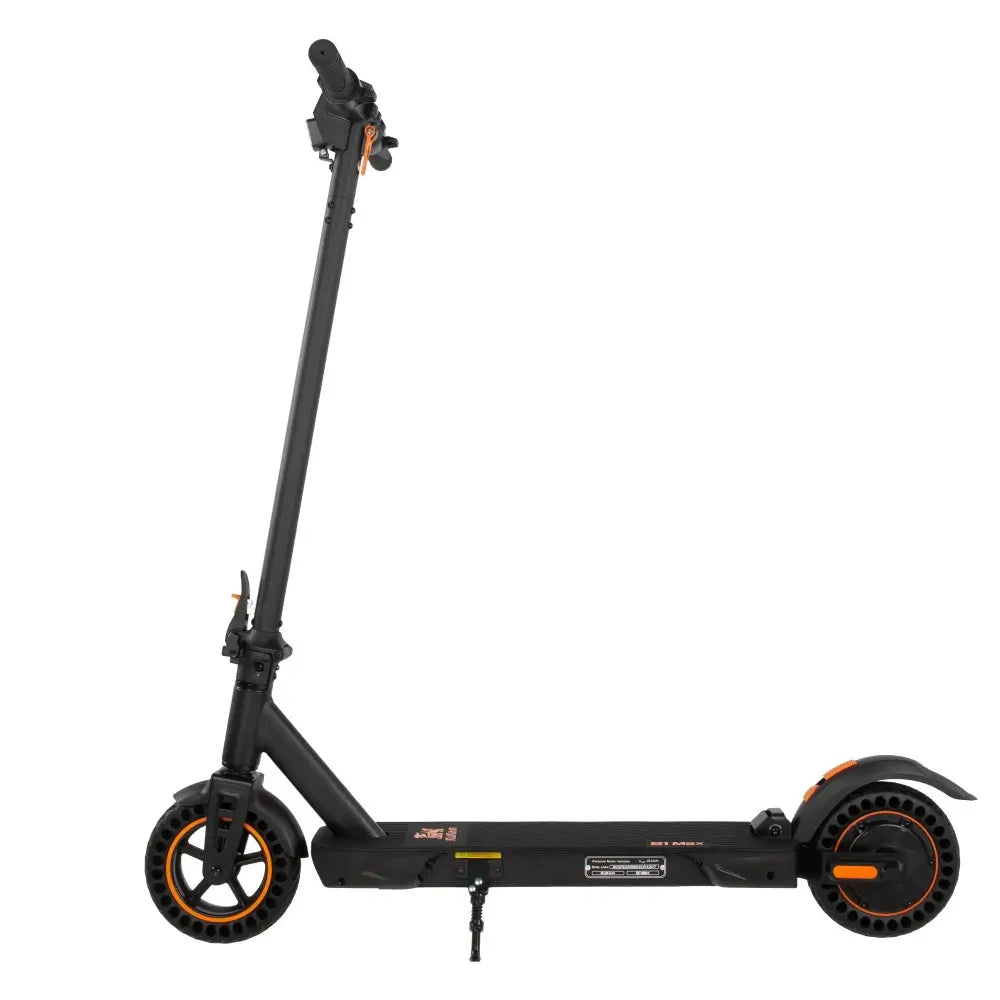
| KuKirin S1 Max | 87mm | Highest — closest to ground |
The S1 Max sits lowest to the ground, which makes it the most vulnerable to mud spray and splash intrusion. Owners of this model should inspect and clean the undercarriage more frequently.
The G4 Max with its 210mm chassis height keeps the undercarriage further from splash zones, reducing mud accumulation significantly.
If you ride in wet conditions frequently, a model with higher ground clearance like the KuKirin G4 Max off-road electric scooter will require less undercarriage maintenance over its lifetime.
Post-Rain Lubrication Points
After the undercarriage is completely dry, apply lubricant to these specific points:
Folding mechanism hinge and lock
The stem fold joint carries the highest mechanical load of any pivot on the scooter. Use silicone grease or white lithium grease.
Brake cable entry points
Where brake cables enter the housing, a small amount of light oil prevents moisture from wicking into the cable sheath.
Screw threads (exposed fasteners)
Every accessible screw under the deck benefits from a thin film of anti-rust oil. This makes future removal possible.
Suspension pivots (models with hydraulic shocks)
G2 Master, G3 Pro, and G4 Ultra have hydraulic shock absorbers with pivot points that benefit from periodic lubrication.
Do not lubricate:
-
Brake rotors or pads
-
Tire surfaces
-
Any electrical connector

Frequently Asked Questions
How often should I clean the undercarriage of my KuKirin?
After every ride in wet or muddy conditions. If you ride in rain regularly, clean weekly. In dry conditions, monthly inspection is sufficient.
Can I use a pressure washer on my KuKirin?
No. Pressure washers force water past seals and into bearings, motors, and the battery compartment. Use a damp cloth and soft brush instead.
What happens if I never clean under my KuKirin?
Screws seize, wiring insulation degrades, and brake calipers stick. Over 6-12 months, these issues progress from annoying to expensive.
Is it safe to ride my KuKirin in the rain?
KuKirin scooters have IP54 ratings, meaning they handle splashing water. Avoid deep puddles and standing water. After any wet ride, clean and dry the undercarriage.
What lubricant should I use on my KuKirin after cleaning?
Silicone grease for folding mechanisms and pivots, light machine oil for screw threads, and brake-specific lubricant for caliper pivot points. Never lubricate brake rotors or pads.
Why does my KuKirin's brake feel sticky after riding in mud?
Mud packed around the brake caliper prevents pistons from retracting. Clean the caliper area thoroughly with a soft brush, dry completely, then apply brake-specific lubricant to the pivot points only.
Protect What You Can't See
The top of your KuKirin is what people notice. The bottom is what determines how long it lasts. Mud and moisture trapped against fasteners, cables, and calipers do quiet, cumulative damage that eventually becomes expensive.
Ten minutes of undercarriage care after a wet ride prevents months of corrosion damage. Wipe, brush, dry, lubricate. That's the entire process.
Riders who commute in wet conditions should consider a model with higher ground clearance. The KuKirin G4 Ultra electric scooter pairs 160mm chassis height with IPX6 motor protection, making it one of the most wet-weather-capable models in the lineup.
Apply discount code NEW20 at checkout to save on your next KuKirin:
-
KuKirin S1 Max — €219
-
KuKirin G2 Pro — €419
-
KuKirin G2 Max — €619
-
KuKirin G3 Pro — €1,129
-
KuKirin G4 — €829
-
KuKirin G2 Ultra — €659
-
KuKirin X1 — €1,209
Prices reflect discount code NEW20 applied.
🛒 Need cleaning tools or considering a wet-weather upgrade? Visit the official KuKirin store to explore maintenance accessories, compare models, and place your order with confidence.