











Summer Sun Protection: Keep Yourself and Your KuKirin Safe

Summer riding is one of life's great pleasures. Long days, warm air, and the freedom of the open road. But the same sun that makes riding enjoyable also does damage — to your skin and to your scooter.
UV radiation causes skin ageing, sunburn, and increases cancer risk. On your scooter, UV degrades plastics, cracks displays, and bakes seats to temperatures that can burn skin.
This guide covers sun protection for both rider and machine.
Part 1: Protecting Yourself
The Rider's Sun Protection Checklist
| Item | Why It Matters |
|---|---|
| SPF50+ sunscreen | Blocks 98% of UVB rays |
| UV-protective sunglasses | Reduces glare, protects eyes |
| Light-coloured, breathable long sleeves | Reflects heat, protects skin |
| Sun protection mask or buff | Protects face and neck |
| Cap under helmet | Adds shade for face |
Sunscreen: The Rules
| Rule | Why |
|---|---|
| Apply 15 minutes before riding | Allows absorption |
| Reapply every 2 hours | Sweat and wind reduce protection |
| Do not forget ears, neck, and hands | Most commonly missed areas |
| Use water-resistant formula | Sweat and humidity reduce effectiveness |
The 2-hour rule: Even "once-a-day" sunscreens should be reapplied during long summer rides. Sweat and airflow reduce their effectiveness.
Why SPF50+?
| SPF Level | UVB Protection |
|---|---|
| SPF15 | ~93% |
| SPF30 | ~97% |
| SPF50+ | ~98% |
SPF50+ offers the highest level of protection available in most European markets.
Part 2: Protecting Your Scooter
What UV Does to Your Scooter
| Component | UV Effect | Consequence |
|---|---|---|
| Display screen | LCD/LED degrades | Cracks, dimming, unreadable |
| Seat | Vinyl/leather dries | Cracks, peeling, 60°C+ surface |
| Handlebar grips | Rubber hardens | Sticky, slippery, unsafe |
| Plastic panels | Becomes brittle | Cracks and breakage |
| Paint/decals | Fades | Discoloured, peeling finish |
The Seat Temperature Risk
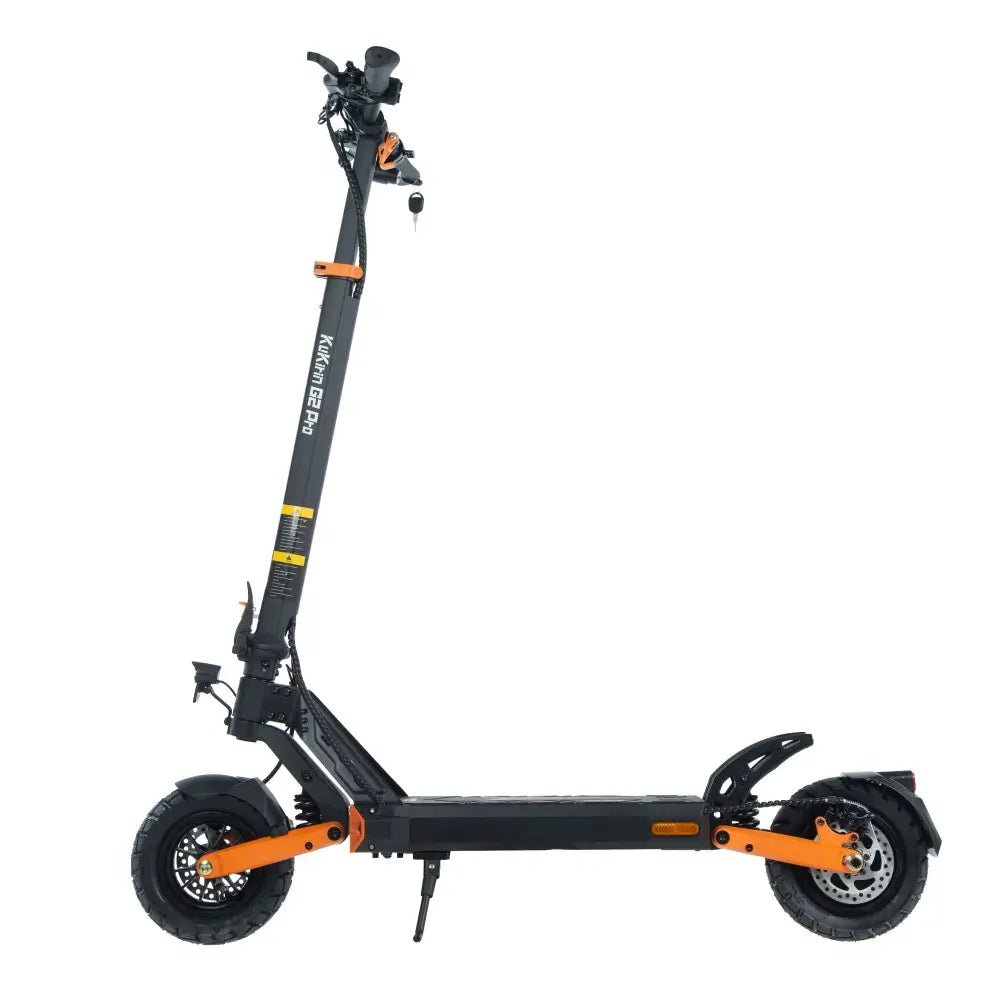
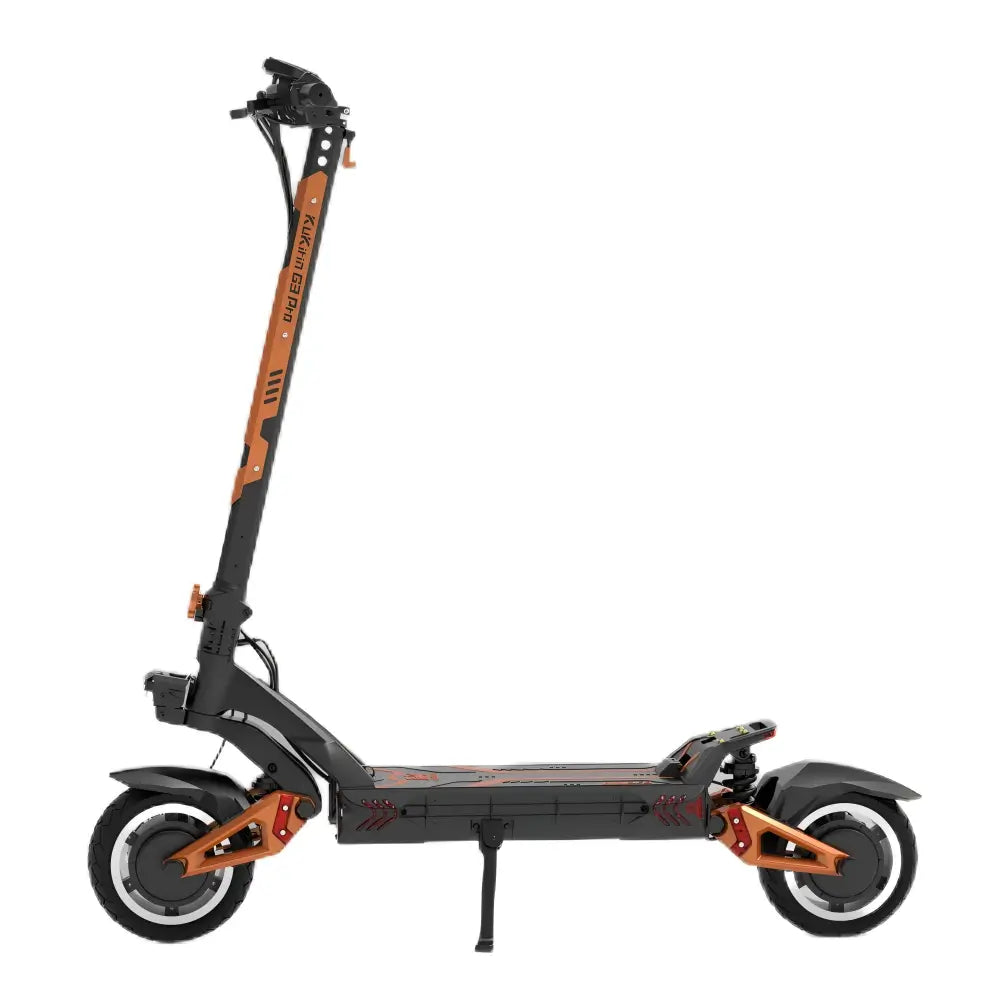
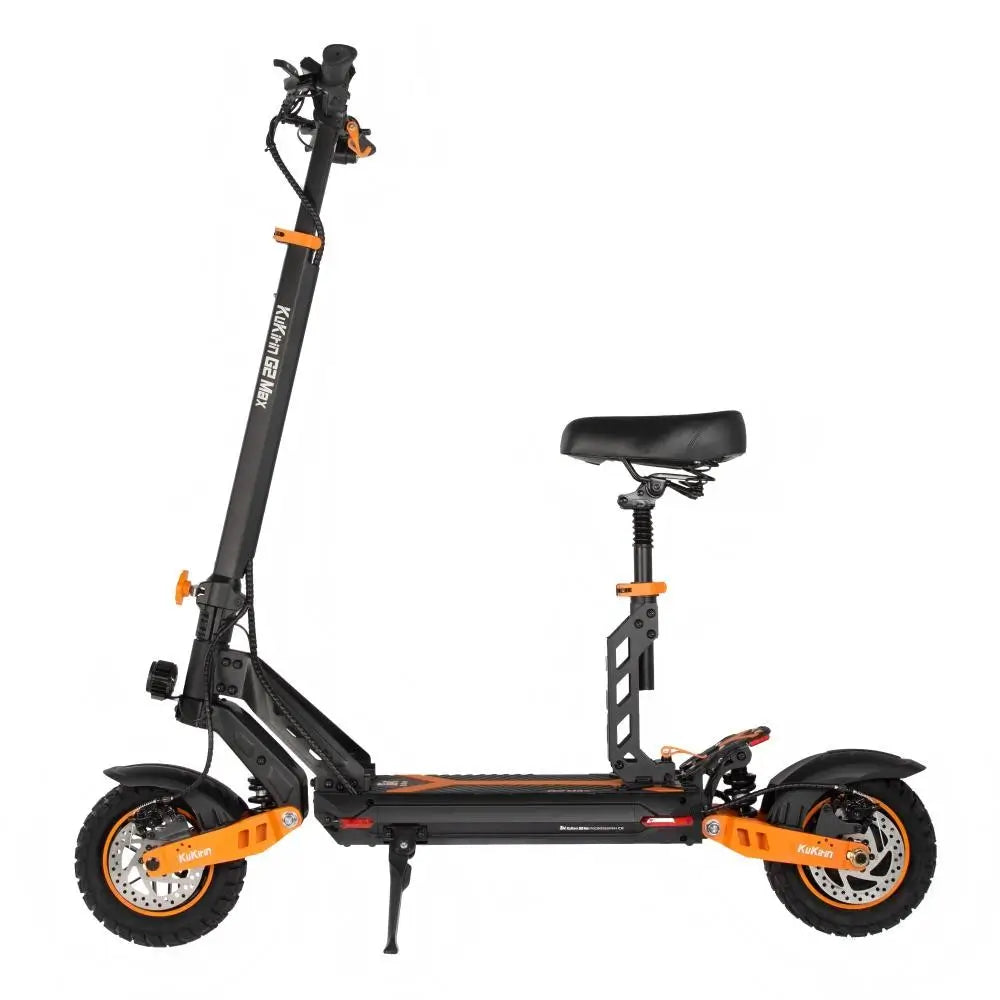
For models with seats (G2 Pro, G2 Max, G2 Master, G3 Pro):
| Surface Temperature | Risk |
|---|---|
| 40-50°C | Uncomfortable |
| 50-60°C | Burns through thin clothing |
| 60°C+ | Skin burns within seconds |
Test before you sit: If you cannot hold your hand on the seat for 5 seconds, do not sit.
Dashboard Damage
Sun exposure is the leading cause of scooter display failure. LCD and LED screens can fade, crack, or become unresponsive after prolonged UV exposure. Display replacement is not covered by warranty for UV damage.
Part 3: Parking and Storage
Where to Park
| Location | Suitability | Why |
|---|---|---|
| Indoor, air-conditioned | ✅ Best | Zero UV exposure |
| Under a tree | ✅ Good | Natural shade |
| Building shadow | ✅ Good | Blocks direct sun |
| Covered parking | ✅ Good | Overhead protection |
| Direct sunlight | ❌ Never | Fastest damage |
Sun Protection Accessories
| Accessory | Benefit |
|---|---|
| Reflective scooter cover | Reduces internal temperature by 10-15°C |
| Display screen protector | UV-resistant film |
| Seat cover (light colour) | Reduces seat temperature by 15-20°C |
| Handlebar grip covers | Protects rubber from UV |
Summer Sun Myths
| ❌ Myth | ✅ Truth |
|---|---|
| "Wet cloth on the display keeps it cool" | Evaporation creates a greenhouse effect — makes it hotter |
| "Parking in a car is safe" | Cars trap heat — temperatures exceed 60°C |
| "The scooter is fine in the sun" | UV damage is cumulative and invisible until it is too late |
Part 4: Best Times to Ride
UV Index by Time of Day
| Time | UV Level | Suitability |
|---|---|---|
| 6:00 – 9:00 AM | Low | ★★★★★ Best |
| 9:00 – 11:00 AM | Moderate | ★★★★ Good |
| 11:00 AM – 3:00 PM | Very High | ★ Avoid |
| 3:00 – 6:00 PM | Moderate | ★★★★ Good |
| After 6:00 PM | Low | ★★★★★ Best |
The rule: Avoid riding between 12:00 and 15:00 when UV radiation is strongest.
Part 5: After-Ride Skin Care
| Step | Action | Why |
|---|---|---|
| 1 | Rinse with cool water | Removes sweat and sunscreen |
| 2 | Apply after-sun lotion | Soothes and rehydrates |
| 3 | Drink water | Rehydrate from the inside |
| 4 | Check for sunburn | Early treatment prevents worse damage |
If you notice redness or tenderness: Apply aloe vera or a cooling gel. Avoid further sun exposure until the skin recovers.
Frequently Asked Questions (FAQ)
Q1: What SPF should I use for summer riding?
SPF50+ is recommended. Apply 15 minutes before riding and reapply every 2 hours.
Q2: How hot can the seat get on a G2 Pro?
On a 35°C day in direct sunlight, the black seat can exceed 60°C — hot enough to burn skin.
Q3: Does sun damage affect scooter performance?
Not directly, but a damaged display can make riding unsafe, and degraded grips reduce control.
Q4: Can I replace a sun-damaged display?
Yes — but UV damage is not covered by warranty.
Q5: What is the best time to ride in summer?
Early morning (6-9 AM) or late evening (after 6 PM) — UV levels are lowest.
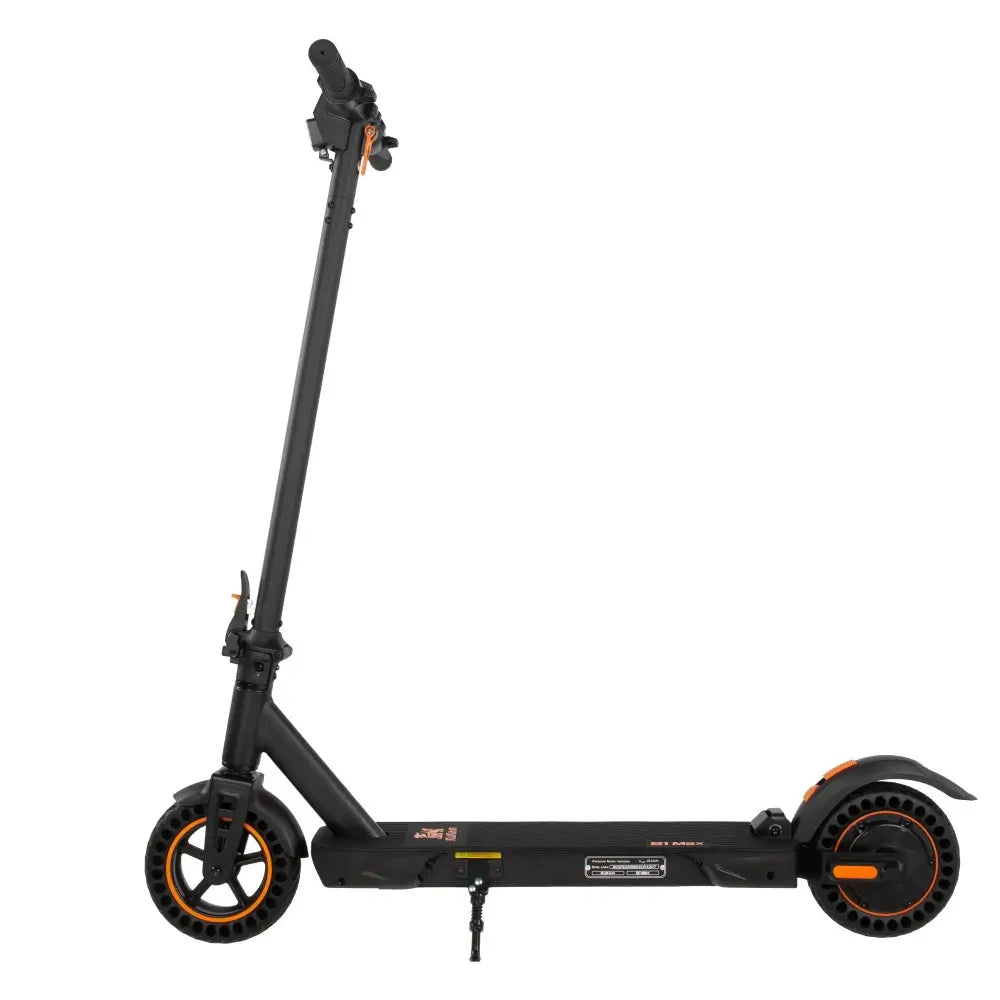
Q6: Does the S1 Max need sun protection?
Yes — the display and grips still need protection, even without a seat.
Conclusion: Protect Both of You
| Priority | Action |
|---|---|
| Sunscreen | SPF50+, reapply every 2 hours |
| Sunglasses | UV-protective |
| Clothing | Light-coloured, breathable long sleeves |
| Parking | Indoor or shade — never direct sun |
| Timing | Avoid 12:00-15:00 |
| Scooter care | Cover, seat cover, screen protector |
The golden rule: The sun damages both rider and machine — but both are easy to protect. A few simple habits keep you riding comfortably all summer.